

Proper Installation and Maintenance of a upvc Door Hinge
If your uPVC hinges on your doors are not aligned correctly and you are experiencing problems, it could be difficult to open and close the door properly, or you might experience draughts. Luckily, this issue can be corrected by using an adjustment screw, depending on the hinge type.
Make sure that you work in a safe area and that your tools are handled properly.
Adjustment
Installing uPVC door for your home is important however, it is also crucial that they're properly adjusted to prevent gaps and draughts. This is particularly true for the hinges, which are the only component of the door that can move to open and close it.
If you have rebate or reed hinges there are some things that can affect the way they work and if you have to adjust them. First, you must ensure that your door frame is level, which is done by using a spirit-level or tape measure to determine the gap between the top and middle of the door. If there is a gap in the gap, the hinges might not be properly adjusted and will require realignment.
There are also a few different kinds of uPVC hinges, and each operates slightly differently. Typically, there are three main kinds of hinges: flag hinges T hinges, and butt hinges. Flag hinges are available on the majority of modern uPVC door frames. They permit you to alter the height, horizontal position and depth. T hinges are similar to flag hinges, and allow for horizontal and vertical adjustments. However, butt hinges which are commonly found on older uPVC doors, are designed for the lateral adjustment.
To adjust your uPVC hinges for doors you'll need to take off the caps made of plastic that cover them and gain access to the adjustment screws that are inside. For most uPVC doors, this will require loosening the Phillips screws inside using the help of a screwdriver. Once you've removed the cap you can adjust your hinges by turning clockwise or counterclockwise until they're in the ideal position. The lateral adjustment screws are located near the hinge end on most door frames made of uPVC. They'll be required to make any changes that are required.
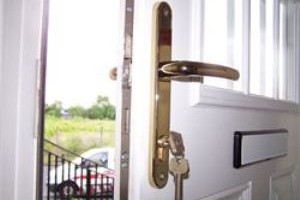
It is recommended to do these adjustments by opening the door and closing it. closed, since this will give you a better idea of how well they are working. It's also a good idea to make the same adjustments on all the hinges to ensure that they are all functioning equally. If you're not sure which screw controls the adjustment, refer to the user's manual or contact the manufacturer. In the majority of cases it is an Allen wrench is used to turn the screws. However, you might require a Phillips cross-head, a cross-head or a different screwdriver.
Installation
The proper installation of upvc hinges is essential. A damaged or defective hinge could cause a variety of issues that include scratching the floor or catching the frame locking issues and draughts. Fortunately, these problems can be fixed with a little bit of maintenance and adjustment.
It is important that you be familiar with all essential tools and materials prior to beginning to work on a upvc door. Wearing protective gear, like eye goggles or gloves, is an excellent idea when working with tools. This will protect you from getting debris, dust or screws in your eye or on your skin. It is also a good idea to have an extra pair of hands to assist with the more difficult tasks.
The first step in adjusting your uPVC door hinge is to identify the type of uPVC hinge you are using. There are three kinds of hinges: butt hinges (also called flag hinges), rebated hinges and flag hinges. Each has its pros and disadvantages.
Butt hinges comprise the majority of uPVC uPVC hinges. They are usually made of two flat hinge leaves (or plates) with hinge knuckles as well as an elongated hinge pin. The knuckles have holes that can be used to hold the hinge leaves to each other. The hinge pin is passed through the knuckles, and joins the two hinge leaves together.
Flag hinges are designed to be hidden on the inside of the door's sash and door frame, maintaining an attractive and sleek look for the uPVC doors and frame. They permit smooth movement, as they pivot around the direction of the. They also provide stability and security.
Rebated hinges are designed to fit into a groove or rebate inside the door frame. They are similar to flag hinges, but they may have an adjustment screw for compression. They can be tuned with an Allen key.
If you're looking to replace your old uPVC hinges for your door or require help installing new hinges, our team of experienced installers can help. With our experience and attention to detail, we can bring back the functionality and beauty of your uPVC doors.
Maintenance
Hinges are an integral component of any uPVC window or door. Like other metal components of doors and windows They require regular maintenance to ensure their long-lasting durability. They should be lubricated twice every year to ensure smooth operation and prevent corrosion. A light silicone lubricant will suffice, but it's crucial not to over-lubricate hinges. This can cause them malfunction and reduce their lifespan. If you aren't sure how much lubricant to apply, it is best to consult an expert.
uPVC door alignment is usually a problem because of weathering, aging and the constant shutting and opening. This can cause a variety of problems, ranging from getting caught on the floor or let in draughts. Luckily, a lot of uPVC door hinges can be adjusted to fix the issue. You can tighten or losen the screws on hinges using an Allen key. Depending on the kind of hinge you have you can tighten the door by turning it clockwise and lifting it. Turning them counter-clockwise and dropping the door will loosen the hinge.
Most uPVC door hinges are either Butt or Flag hinges. They are situated on the bottom and top of the door and allow it to swing open and close. It is possible to consult an expert or go to the website of the manufacturer to find out the hinges that are present on your uPVC doors. The hinges must be properly aligned with the door's frame so that they work effectively.
uPVC windows and doors come with seals and gaskets in addition to hinges. These seals help keep them in good condition. They are vital to prevent draughts and provide insulation, but they require regular maintenance. Examine hinged door repairs and draught-proof gaskets for signs of wear and damage. Clean them with a damp rag to remove any dirt or dust.
We can help you find a replacement uPVC hinge or provide tips on how to maintain the ones you already have. Our guides include diagrams and videos that will teach you how to identify different kinds of uPVC door hinges, how to adjust them, and what to do if they are damaged or wearing out.
Replacement
A hinge made of uPVC is vital to ensure the safety and smooth operation of your uPVC doors. If your hinges for your door get damaged or worn out over time, it's crucial to replace them. This will ensure that your doors are functional, visually appealing and safe.
The most popular type of uPVC door hinge is the butt hinge which is located on both sides of the frame and allows the door to swing open and closed. It consists of two hinge leaves (or plates) and hinge knuckles and a pin which acts as the axis of rotation. The hinge knuckles have holes through which screws can be fixed to secure them to the frame and door. The hinge pin goes through the knuckles and connects the two parts of the hinge. The hinge can be adjusted to permit you to adjust the location and alignment of your uPVC doors.
Another kind of uPVC hinge for doors is a flag hinge, that is typically used on doors that are heavier. They are not as popular as butt hinges, but they provide the same function and are similarly easy to install. To attach a flag hinge to your uPVC door first, mark the places where you would like the hinges to go. Then, employ a fixing jig to drill holes in each one. Screw the uPVC door profile with the corresponding screw and pin-locating hole. After you have fitted the uPVC hinge to your door, it is important to ensure that it is in alignment with the frame. Make use of a spirit-level to ensure that the edges of the frame and the hinges are aligned.
Monitoring the condition of uPVC hinges can help identify any problems before they get any worse. By making small adjustments to your hinges on a regular basis will prolong the life of your door and ensure it will continue to function smoothly.